
Election Day is Tuesday, Nov. 3. Polls are open from 7 a.m. to 7 p.m., and anyone in line at 7 p.m. can still vote.
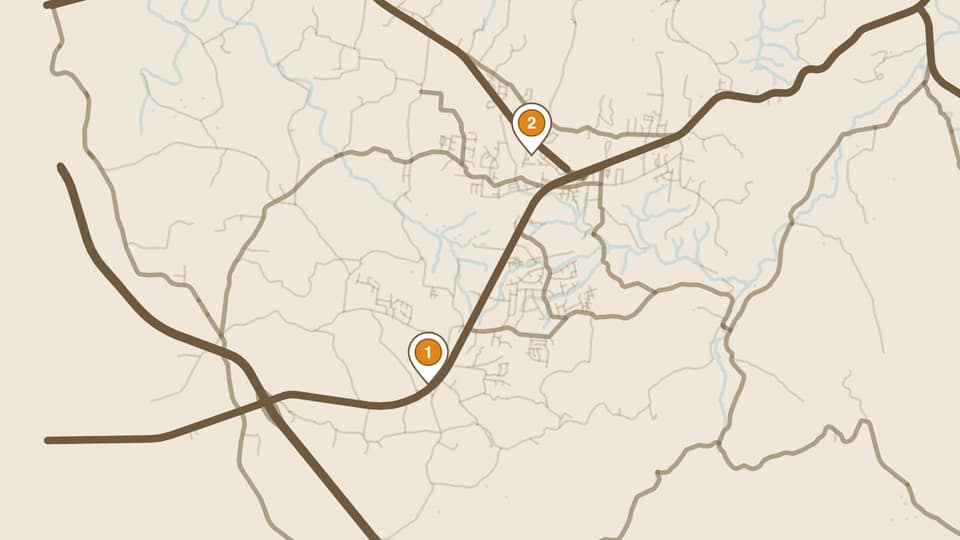
You can vote at any Election Day vote center in Williamson County, no matter where in the county you live, and you'll get the ballot for your address. There are 27 vote centers. Two are in Fairview:
The other 25 are in Franklin, Brentwood, Spring Hill, Thompson's Station, Nolensville and Arrington. They're listed in the Election Commission's notice.
What to bring
A photo ID with your name and picture, issued by Tennessee or the federal government, such as a Tennessee driver's license or a U.S. passport. It counts even if it has expired. Student IDs and driver's licenses from other states don't.
Forgot your ID? You can still vote a provisional ballot. For it to count, bring a photo ID to the Election Commission office in Franklin within two business days after Election Day.
If you've moved or changed your name and haven't updated your registration, you can still vote, but there are extra steps and it may take longer.
Leave campaign shirts, hats and buttons at home. They aren't allowed within 100 feet of the entrance.
What's on the ballot
Fairview mayor (vote for one): Lisa Anderson, Chris McDonald and Rick Shepherd.
Fairview Board of Commissioners (vote for two): David Bynum, Karen Cobb, Wayne Hall and Scott Lucas.
Both are listed in ballot order. These two races are only on your ballot if you live inside Fairview's city limits, and a Fairview mailing address doesn't always mean you do. Each candidate's own answers to our eight questions are in Who's Running in Fairview's Nov. 3 Election, and What They Think.
Everyone also votes for governor, U.S. Senate, U.S. House and state House, and on three changes to the Tennessee Constitution. To see your own ballot before you go, look yourself up on GoVoteTN.
The three amendments
They come right after the governor's race. Each is a yes-or-no question: yes changes the state Constitution, no leaves it as it is.
1. Bail. Judges could hold people charged with certain serious crimes, such as second-degree murder, aggravated rape and terrorism, without bail until trial, and would have to put their reasons on the record.
2. State property tax. The Legislature could not put a state tax on property. The wording covers a state tax only, not city or county property taxes.
3. Crime victims' rights. More rights for crime victims would be written into the Constitution, such as taking part in parole hearings, being protected from harassment and being told when an offender is due for release.
The conversation
No comments yet